Business Fashions Through the Decades
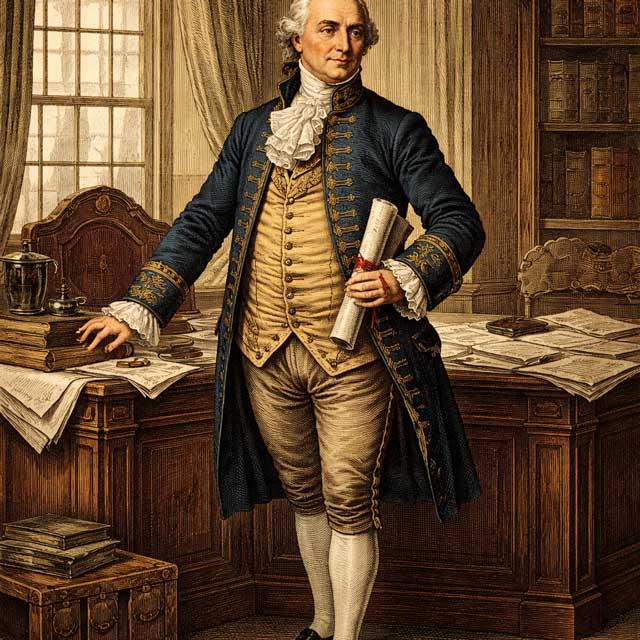
What The Well Dressed Businessman Should Wear!
From the earliest trading halls to modern offices and creative workspaces, what professionals wear has always reflected function, status, and practicality. Running a business today involves more than just dress codes—operational responsibilities and protections are key. For UK businesses seeking practical coverage, see Prudent Business Insurance.
The Merchant and Guild Era (16th–18th centuries)
In the early days of commerce, merchants and guild members wore garments that conveyed authority and respectability. Heavy fabrics, waistcoats, and tailored coats signalled status in trade halls and marketplaces. Protective aprons and gloves were common among craftsmen, blending function with symbolism.
The Industrial Age (19th century)
With factories and offices emerging, business wear became more practical. Men often wore wool suits, high collars, and pocket watches, while women in clerical roles wore modest skirts and blouses suitable for typing and filing. Uniformity helped convey professionalism in rapidly expanding industries.
The Early 20th Century (1900s–1930s)
As offices modernized, tailored suits, neckties, and hats became standard for male professionals. Women adopted more flexible dresses, sometimes with functional belts and gloves. Safety in industrial workplaces also influenced attire: aprons, sturdy shoes, and overalls were common in production and logistics roles.
Post-War Corporate Style (1940s–1960s)
The rise of white-collar work brought formal attire to the forefront. Men’s three-piece suits and conservative ties dominated corporate offices, while women wore structured dresses or skirt suits. Workwear reflected hierarchy, professionalism, and the emerging importance of office presentation.
The Modern Era (1970s–1990s)
Business attire became more flexible with the advent of creative industries. Patterned blouses, wider lapels, and softer tailoring allowed self-expression while maintaining professionalism. Casual Fridays and business casual trends began to appear, balancing comfort with corporate norms.
Contemporary Business Wear (2000s–Present)
Today, business wear balances functionality, comfort, and sustainability. Tech-integrated fabrics, ergonomic tailoring, and versatile layers are popular. Startups, creative agencies, and home offices have blurred lines between formal and casual, reflecting modern work habits. Protective and practical considerations still matter for certain industries, alongside personal style and branding.
Key Takeaways
- Business wear has always blended practicality, status, and professionalism.
- Protective clothing and functional garments were early precursors to modern safety standards.
- Today’s trends emphasize comfort, versatility, and suitability for diverse work environments.
Exploring the evolution of business wear highlights not only changing styles but also the ongoing importance of responsibility and preparedness in professional life. Choosing the right coverage to protect your business complements a polished, professional image.