Driving Fashions Through the Decades
What To Dress In Behind The Wheel!
From the earliest horseless carriages to today’s sleek electric vehicles, what drivers wore has always reflected culture, technology, and how life on the road actually works day to day. As driving became more common, so did the need to think about responsibility, safety, and the realities that come with regular use. For a closer look at how fashion and attitude collide on the roads, see Bump and Grin.
The Pioneering Years (1890s–1920s)
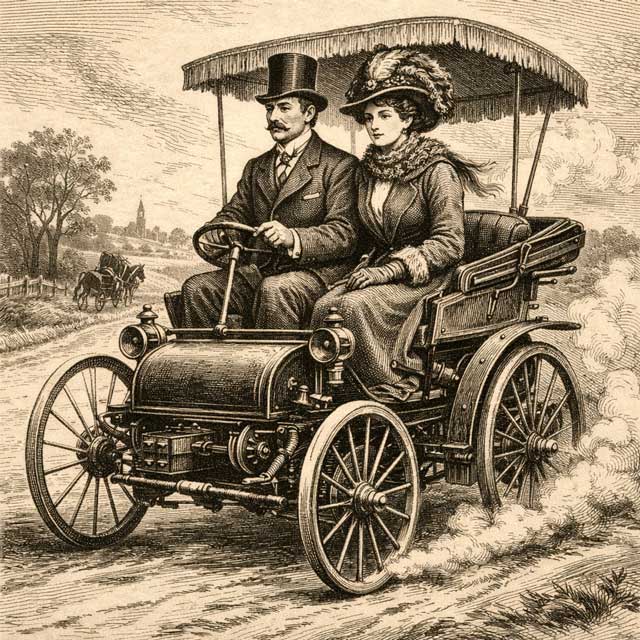
Early motorists often dressed for protection rather than style. Heavy wool coats, leather gloves, and thick scarves were common, shielding drivers from wind, dust, and soot. Long skirts or trousers tucked into boots kept clothing out of the machinery. Caps with visors, goggles, and goggles became almost mandatory, blending practicality with the growing prestige of motoring.
The Golden Age of Glamour (1930s–1950s)
As cars became faster and roads improved, drivers adopted more refined looks. Men wore tailored suits with driving caps, sometimes paired with spats over polished shoes. Women embraced flowing scarves, tailored coats, and leather gloves. Motoring hats became a fashion statement, and sunglasses started appearing as both protective and stylish accessories.
The Swinging and Sporty Years (1960s–1970s)
The rise of youth culture and sports cars changed driving fashion dramatically. Leather jackets, turtlenecks, and high-waist trousers dominated casual motoring. Bright scarves and bold patterns expressed individuality. Driving boots became popular, especially among those piloting high-performance vehicles. Comfort and flair went hand in hand.
The Power Dressing Era (1980s–1990s)
Luxury sedans and sports cars inspired a mix of professional polish and casual cool. Men favoured tailored blazers, polo shirts, and loafers, while women often paired structured jackets with designer sunglasses. Driving gloves remained a subtle status symbol. Reflective fabrics and safety-inspired details began creeping into high-end fashion as a nod to practical motoring.
The Digital and Lifestyle Influence (2000s–2010s)
The modern era embraced casual chic. Drivers layered hoodies, leather jackets, and jeans with functional accessories like watches, handbags, or tech wearables. Sunglasses remained a staple, but sun visors in cars reduced their necessity. Motorsport-inspired jackets and sneakers became trendy, reflecting a youthful, dynamic lifestyle behind the wheel.
Contemporary and Future Trends (2020s–Present)
Today, driving fashion blends sustainability, comfort, and personal identity. Smart textiles, recycled fabrics, and minimalistic styles dominate. Electric car owners often favour versatile, breathable layers for city and country driving alike. Accessories are now tech-integrated: smart gloves, connected sunglasses, and multi-purpose bags are the modern motoring essentials. The influence of social media also means drivers are more style-conscious than ever, documenting outfits at pop-up car events and rallies.
Key Takeaways
- Practicality shaped early driving fashion; speed and comfort shaped later styles.
- Accessories like gloves, goggles, and caps evolved from necessity to status symbols.
- Modern motoring fashion is influenced by lifestyle, sustainability, and technology.
Whether vintage or contemporary, driving fashions tell a story about culture, innovation, and personal expression, showing that the style behind the wheel has always mattered as much as the car itself.